


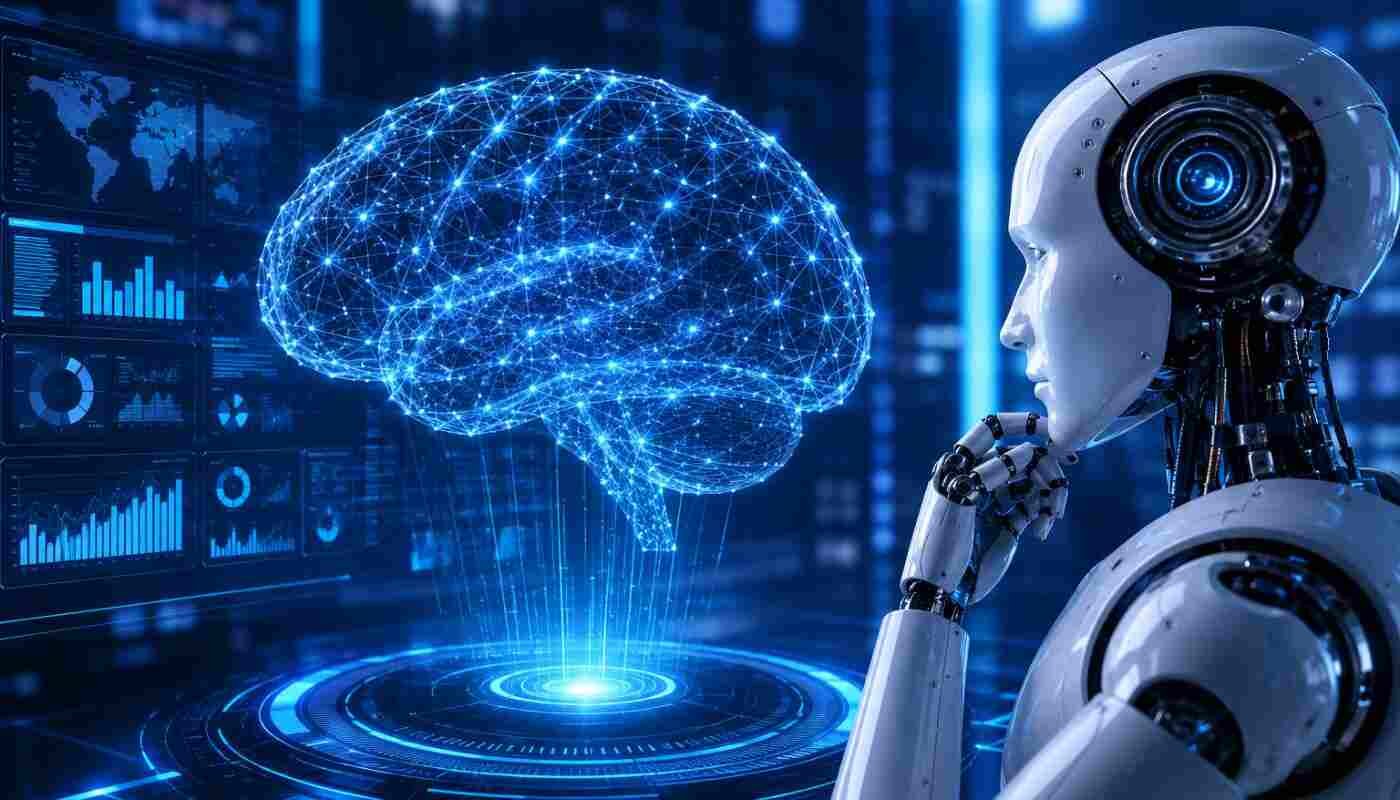
Artificial Intelligence (AI) is no longer a futuristic concept—it has become an essential part of our daily lives and business operations. From virtual assistants and personalized recommendations to advanced automation and predictive analytics, AI is reshaping industries worldwide. As technology continues to evolve, AI is driving innovation, improving efficiency, and creating new opportunities for businesses and individuals alike.
What is Artificial Intelligence?
Artificial Intelligence refers to the simulation of human intelligence in machines that are programmed to think, learn, and make decisions. AI systems can analyze vast amounts of data, recognize patterns, solve problems, and even perform tasks that traditionally required human intelligence.
The major branches of AI include:
- Machine Learning (ML)
- Deep Learning
- Natural Language Processing (NLP)
- Computer Vision
- Robotics
- Generative AI
These technologies work together to enable machines to understand information, learn from experience, and continuously improve their performance.
Why AI Matters Today
The rapid growth of AI is transforming how organizations operate. Businesses are leveraging AI to automate repetitive tasks, improve customer experiences, enhance decision-making, and increase productivity.
Some key benefits of AI include:
1. Increased Efficiency
AI-powered systems can process large volumes of data faster than humans, reducing operational costs and improving productivity.
2. Better Decision Making
Advanced AI algorithms analyze real-time data and provide insights that help businesses make informed decisions.
3. Enhanced Customer Experience
Chatbots, virtual assistants, and recommendation engines provide personalized interactions, leading to improved customer satisfaction.
4. Automation of Repetitive Tasks
AI can automate routine tasks such as data entry, customer support, inventory management, and content generation.
Top AI Trends Shaping 2026
Agentic AI
One of the fastest-growing trends is Agentic AI, where AI systems can independently perform multi-step tasks and make decisions with minimal human intervention. Businesses are increasingly adopting AI agents to streamline workflows and improve operational efficiency.
Multimodal AI
Modern AI models can now process text, images, audio, and video simultaneously. This capability allows businesses to create more intelligent applications that understand complex user interactions.
Responsible and Ethical AI
As AI adoption grows, organizations are focusing on transparency, fairness, and accountability. Governments and regulatory bodies are also developing frameworks to ensure responsible AI deployment.
AI in Business Operations
Companies are moving beyond experimentation and implementing AI across customer service, marketing, finance, and supply chain management to achieve measurable business outcomes.
AI-Powered Personalization
Businesses are using AI to deliver highly personalized experiences through targeted marketing, product recommendations, and customized customer interactions.
Applications of Artificial Intelligence
Healthcare
AI assists doctors in diagnosing diseases, analyzing medical images, and predicting patient outcomes.
Finance
Banks use AI for fraud detection, risk assessment, algorithmic trading, and personalized financial services.
Education
AI-powered learning platforms provide personalized education experiences and intelligent tutoring systems.
Retail and E-Commerce
Retailers leverage AI for demand forecasting, customer analytics, recommendation systems, and inventory optimization.
Manufacturing
AI improves quality control, predictive maintenance, and production efficiency through smart automation.
Challenges of AI
Despite its advantages, AI also presents challenges:
- Data privacy concerns
- Algorithmic bias
- Cybersecurity risks
- Workforce adaptation
- Ethical considerations
Organizations must balance innovation with responsible implementation to maximize AI’s benefits while minimizing potential risks.
The Future of Artificial Intelligence
The future of AI looks incredibly promising. Experts predict that AI will continue to integrate into everyday business processes, becoming more autonomous, intelligent, and accessible. Emerging technologies such as autonomous AI agents, advanced robotics, and next-generation generative AI will further accelerate digital transformation across industries.
As businesses increasingly adopt AI-driven solutions, those that embrace innovation early will gain a significant competitive advantage in the digital economy.
Conclusion
Artificial Intelligence is revolutionizing the way we work, communicate, and solve complex problems. From automating routine tasks to enabling groundbreaking innovations, AI has become a cornerstone of modern technology. As adoption continues to grow, businesses and individuals who understand and leverage AI effectively will be better positioned for success in the rapidly evolving digital landscape.